
The Code Breaker Review: A Fascinating Story That Sometimes Gets Technical
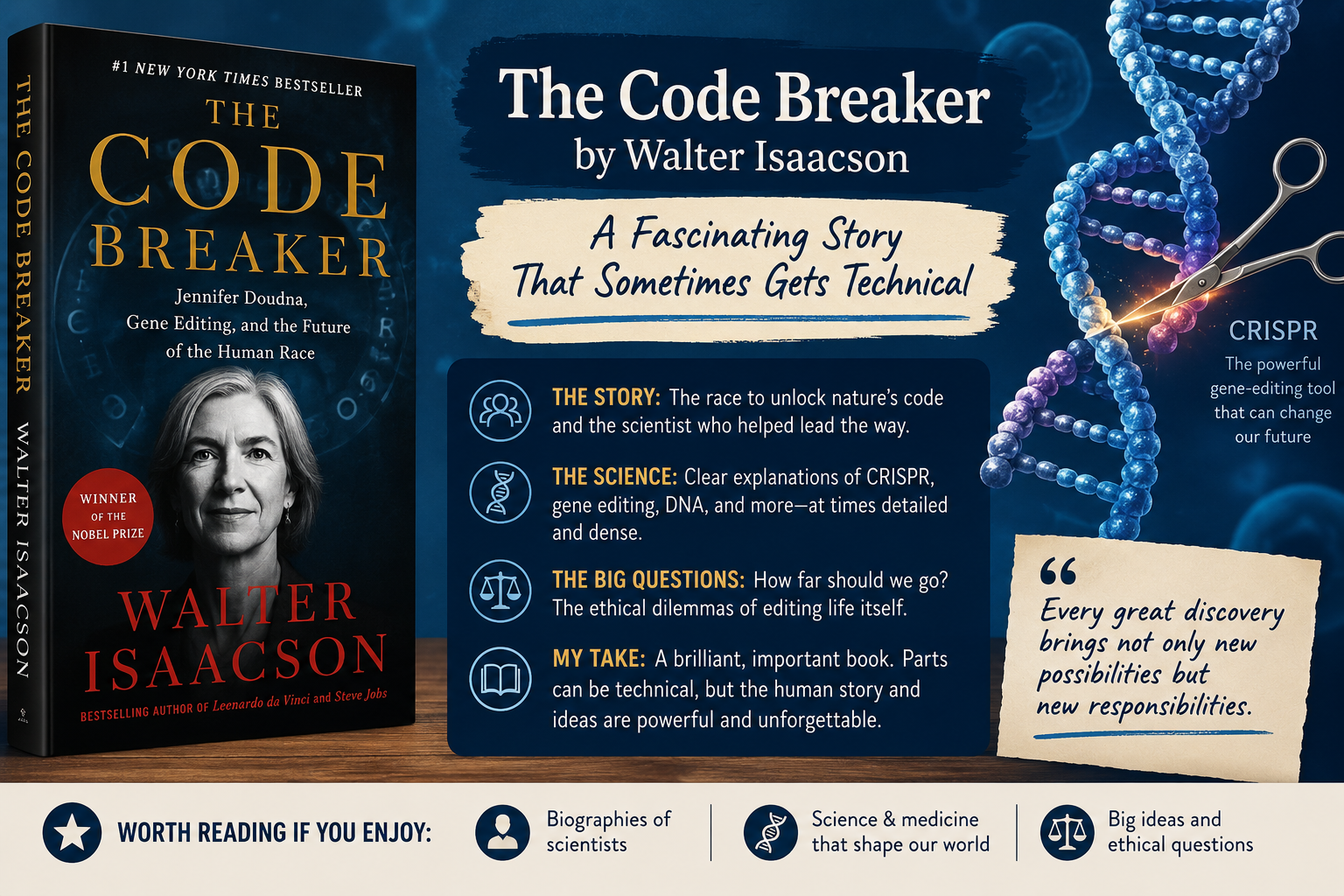
The Code Breaker: Jennifer Doudna, Gene Editing, and the Future of the Human Race is one of Walter Isaacson's most ambitious biographies. Rather than simply telling the story of Jennifer Doudna, he also explains the development of CRISPR gene-editing technology and explores the ethical questions it raises for humanity.
Overall, I would rate it 4.5 out of 5 stars.
I don't have a scientific background, so I occasionally found myself slowing down or skipping some of the more technical explanations. Even so, I never felt I had lost the central story. Walter Isaacson succeeds in showing why this discovery matters and why Jennifer Doudna's work will likely shape the future of medicine.
What the book does well
Isaacson has a gift for making complicated scientific discoveries feel like compelling human stories. Much of the book reads like a detective story, with scientists around the world racing to understand how bacteria defend themselves against viruses. Those discoveries eventually led to CRISPR, a tool that allows scientists to edit DNA with remarkable precision.
The strongest parts of the book include:
The biography of Jennifer Doudna. She comes across as brilliant, collaborative, curious, and surprisingly humble.
The competition between researchers. Isaacson captures both the excitement of discovery and the rivalries over patents, credit, and Nobel recognition.
The ethical discussion. The final chapters ask difficult questions about where gene editing should stop, especially after the birth of the first gene-edited babies in China.
Why some readers struggle
Your experience is actually very common.
Isaacson wants readers to understand enough biology to appreciate why CRISPR is revolutionary. That means he spends considerable time explaining:
DNA
RNA
genes
proteins
bacteria
viruses
enzymes
molecular biology
If you don't already have a background in genetics, those sections can become dense. They're accurate and well written, but they require concentration.
Many readers enjoy the biography and ethical discussions much more than the chapters explaining molecular biology.
What I liked most
The book reminds us that scientific breakthroughs rarely come from one genius working alone.
Instead, discoveries grow from decades of work by hundreds of researchers building on each other's ideas. Isaacson also shows how personality, persistence, competition, luck, and international collaboration all influence scientific progress.
Another strength is that the COVID-19 pandemic becomes part of the story. The same RNA research that helped make CRISPR possible also contributed to the rapid development of mRNA vaccines, giving the book immediate real-world relevance.
A few weaknesses
The biggest weakness is simply its depth.
Readers looking for a straightforward biography may find themselves bogged down in the scientific explanations. Some chapters feel almost like an introductory college genetics course.
The book is also long, and the detailed explanations occasionally interrupt the narrative momentum
Daring Greatly by Brene Brown
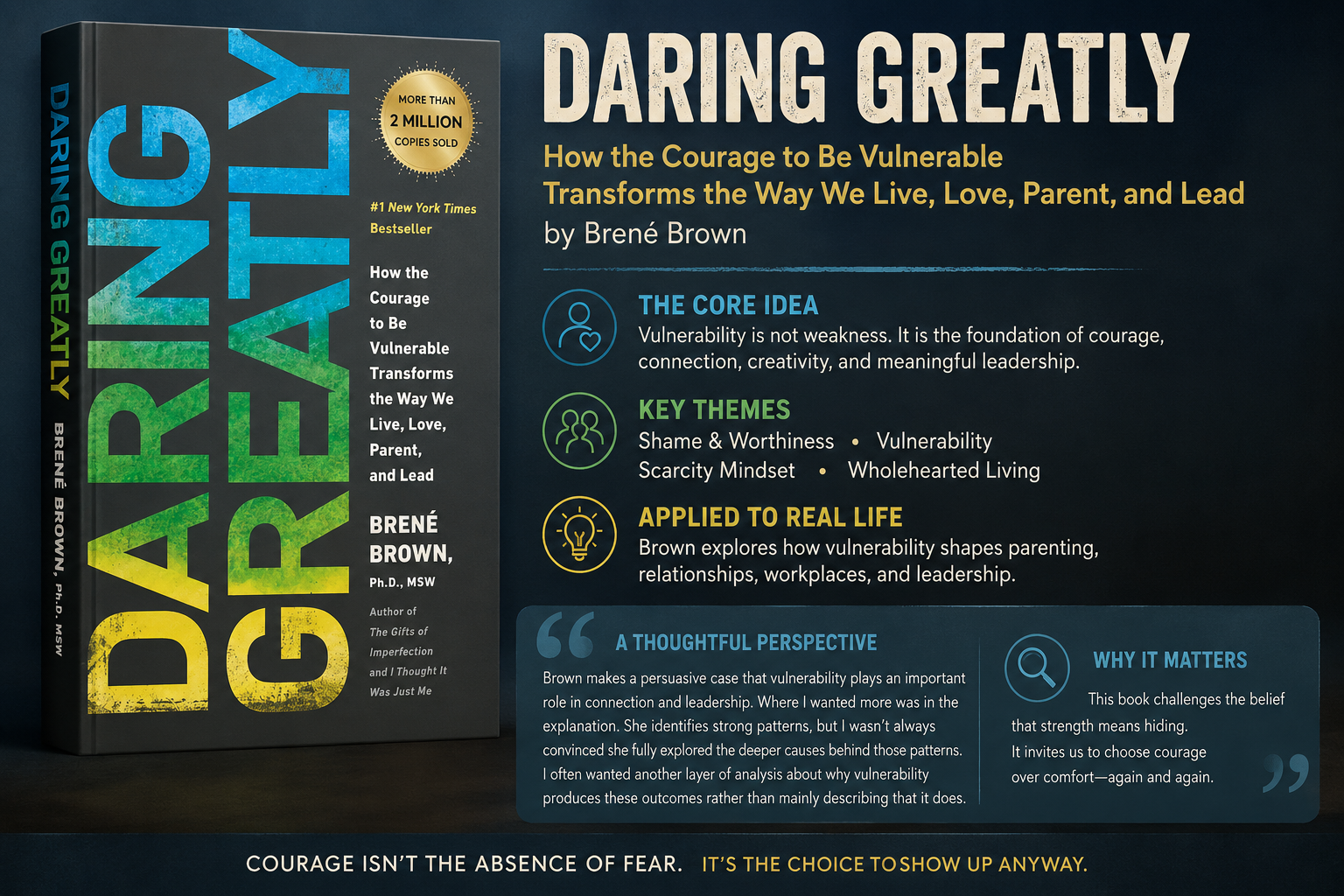
Daring Greatly challenges the common belief that vulnerability is a weakness, arguing instead that it is the foundation of courage, authentic relationships, creativity, and effective leadership. Through research, personal stories, and practical examples, Brené Brown encourages readers to embrace uncertainty rather than hide behind perfectionism or fear. The book has resonated with millions because it offers an accessible and hopeful perspective on living more openly and authentically.
While the book presents an important and worthwhile message, I found myself wanting a deeper exploration of the ideas behind it. Brown identifies compelling patterns and associations, but I was not always convinced she sufficiently examined the underlying causes that produce those outcomes. At times, the discussion feels more descriptive than analytical. Even so, Daring Greatly succeeds in starting meaningful conversations about shame, courage, and human connection, making it a valuable read for those interested in personal growth and relationships.
Revisiting The Tipping Point |
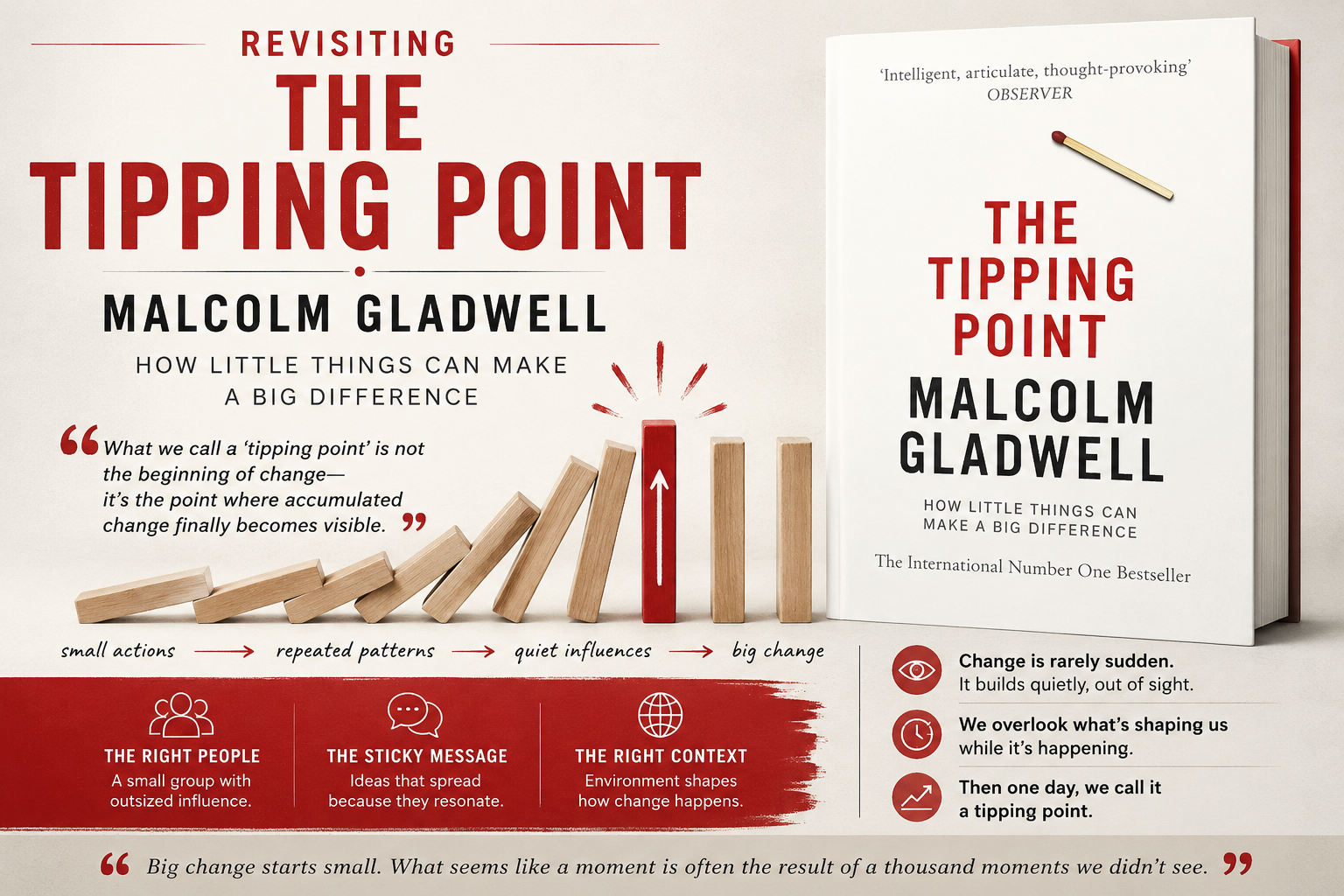
I first read The Tipping Point years ago, but revisiting it now, something stands out more clearly.
We often think change happens in a single moment. Gladwell suggests something different.
What we call a “tipping point” is not the beginning of change—it’s the point where accumulated change finally becomes visible.
Small actions. Repeated patterns. Quiet influences.
Over time, they build. Then, almost suddenly, something shifts.
Gladwell explores this through three ideas: influential people, messages that stay with us, and the environments in which change unfolds.
But what stayed with me this time wasn’t just the framework. It was the deeper implication behind it.
What appears to be a sudden transformation is rarely sudden at all. It has usually been forming quietly, out of sight, through moments that did not seem important at the time.
That idea feels familiar. Not because of the theory itself, but because of how often we overlook what is shaping us while it’s happening.
We search for turning points. Yet most of what changes us rarely announces itself that way.
It builds quietly.
And then one day, we call it a tipping point.
This way of thinking about change—how small moments accumulate before they are recognized—is something I explore more directly in my own book, What Matters: We Are the Sum of Small Moments.
1929: Inside the Greatest Crash in Wall Street History--and How It Shattered a Nation
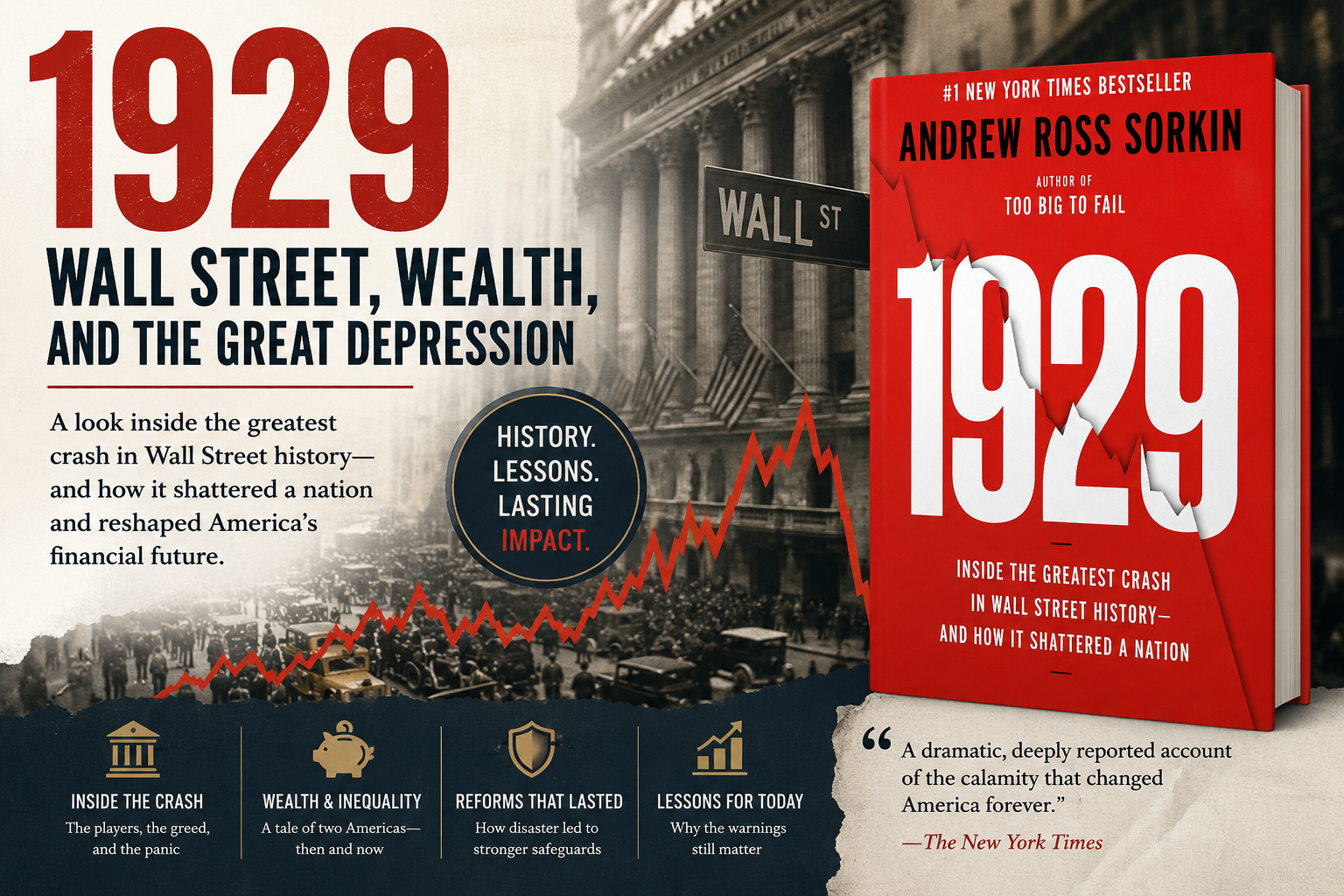
The book is less a “general history of ordinary Americans” and more an inside narrative of the financiers, bankers, politicians, and speculators who helped create the speculative bubble and then struggled to contain the collapse.
For many Americans outside the Northeast financial centers, life was still modest, regional, practical, and far less connected to speculative wealth. Large parts of the country were rural or industrial-working-class. The “Roaring Twenties” prosperity was real, but unevenly distributed. The book’s focus on New York elites can therefore feel almost foreign compared to family memories passed down through ordinary households.
The book is not simply about a market collapse. It is about what happens when a society begins to believe that prosperity is permanent, that risk no longer matters, and that wealth itself becomes detached from ordinary life.
The crash and the Great Depression exposed serious weaknesses:
almost nonexistent market regulation,
insider trading,
excessive leverage,
weak banking protections,
and little separation between speculation and ordinary banking.
The aftermath eventually led to reforms that reshaped American finance:
the SEC,
FDIC deposit insurance,
stronger disclosure rules,
banking reforms like Glass-Steagall,
and broader federal involvement in economic stability.
In other words, the suffering of the 1930s forced the country to build guardrails that many people later took for granted.
But there is also an irony the book seems to emphasize—and modern reviewers notice this too. The same patterns tend to return:
speculation,
belief that “this time is different,”
concentration of wealth,
financial innovation moving faster than regulation,
and optimism turning into panic.
Nightshade by Michael Connelly Review:

When I first realized Nightshade was introducing a brand-new main character instead of returning to familiar territory, I’ll admit I felt a little disappointed. Connelly’s long-running detectives feel like old companions, and I wasn’t sure I wanted to start over.
That hesitation didn’t last long.
Los Angeles County Sheriff’s Detective Stilwell may be “exiled” to the quiet rhythms of Catalina Island, but the calm doesn’t hold. What begins as routine island policing quickly turns dark with the discovery of a woman’s body weighted at the bottom of the harbor—known only by a streak of purple hair—and a separate investigation into poaching that uncovers violence and long-buried secrets among the island’s elite.
What surprised me most was how fresh the setting felt. Catalina Island isn’t just a backdrop—it becomes part of the story’s tension. The contrast between the island’s idyllic beauty and the darkness beneath it gives the novel an atmosphere that feels new for Connelly while still carrying his trademark precision and momentum.
Stilwell himself grows on you quickly. He’s relentless, flawed, and willing to cross lines when he believes justice demands it, very much in the spirit of Connelly’s best characters, even if he’s walking his own path.
By the time the two cases begin to intertwine, the book had fully pulled me in. Connelly once again proves how effortlessly he can build suspense, layer detail, and guide readers through a world that feels real and immersive.
In the end, what I thought might be a letdown became a reminder of why I love his writing in the first place. His novels take me into another world, and Nightshade was no exception. Reading Connelly is a kind of relief: a chance to step away from everything else and trust a master storyteller to carry you somewhere compelling.
Verdict: A strong, atmospheric start to a new character arc that feels fresh without losing the depth and drive longtime readers expect.
The Proving Ground: A Lincoln Lawyer Novel — Book Review
Michael Connelly’s The Proving Ground stands out in the Lincoln Lawyer series not because it abandons what works, but because it subtly shifts the terrain beneath it.
At its core, this is still a Mickey Haller novel driven by sharp dialogue, clean pacing, and Connelly’s steady command of the legal world. The pleasure of reading it comes from that familiarity—the confidence of the writing, the clarity of the plot, and the sense that the story knows exactly where it’s going. I enjoyed the book largely for those reasons alone.
What makes The Proving Ground different from the previous entries, however, is its legal pivot. Instead of focusing on criminal defense, Haller moves into civil law, filing a lawsuit rather than defending an accused client. That shift—from protecting individuals to holding an institution accountable—adds a fresh dimension to the series and reframes Haller’s role in a way that feels both natural and revealing. It’s not just a change in legal procedure; it’s a change in perspective.
The case itself centers on Tidalwaiv Technologies, an AI company whose chatbot is alleged to have influenced a violent crime. While the premise touches on timely concerns about artificial intelligence, the novel avoids turning into a cautionary screed. The real issue isn’t AI as an abstract threat, but the biases embedded in its design—the flawed assumptions, blind spots, and human decisions that shaped the system. In that sense, the technology is less the villain than the mirror.
As someone who uses AI tools like ChatGPT and finds them genuinely useful, I found this aspect of the book especially interesting. Connelly doesn’t argue that AI is inherently dangerous; instead, he explores how unexamined bias, poor oversight, and lack of accountability can turn powerful tools into harmful ones. That nuance gives the story weight without tipping into fearmongering.
Beyond the courtroom drama, Connelly weaves in personal threads—Haller’s family dynamics, disruptions caused by Los Angeles fires—that ground the novel and keep it human. These moments don’t distract from the plot; they deepen it, reminding the reader that legal battles don’t happen in isolation.
The Proving Ground may be the eighth Lincoln Lawyer novel, but it doesn’t feel like a repeat performance. It’s a confident evolution—familiar in voice, different in structure, and timely in its questions. For longtime readers, it offers something new without losing the rhythm that makes the series work. And for anyone interested in how law, technology, and human responsibility intersect, it gives you something to think about long after the case is closed.
History Matters: David McCullough

David McCullough doesn’t argue that history matters. He shows it. In this collection of speeches and essays, history is not treated as a subject to master but as a responsibility to carry. What stays with me is not a list of facts or accomplishments, but the steady reminder that every moment we inherit was shaped by people who acted without certainty, often guided only by character, preparation, and a sense of duty. History Matters is less about looking back and more about learning how to pay attention—to context, to consequence, and to the human choices that quietly shape the future.
By the end of History Matters, what lingers is not instruction but perspective. McCullough leaves the reader with a deeper awareness of how easily progress can be taken for granted and how much depends on ordinary people choosing to act with care and responsibility. The book doesn’t ask us to admire the past or fear the future. It asks us to pay attention to the present—to the choices we’re making, the stories we’re carrying forward, and the small moments that, over time, become history themselves.
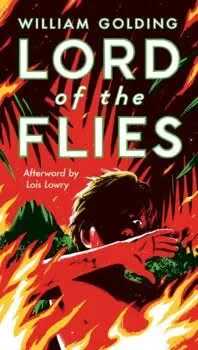
Lord of the Flies, by William Goldman
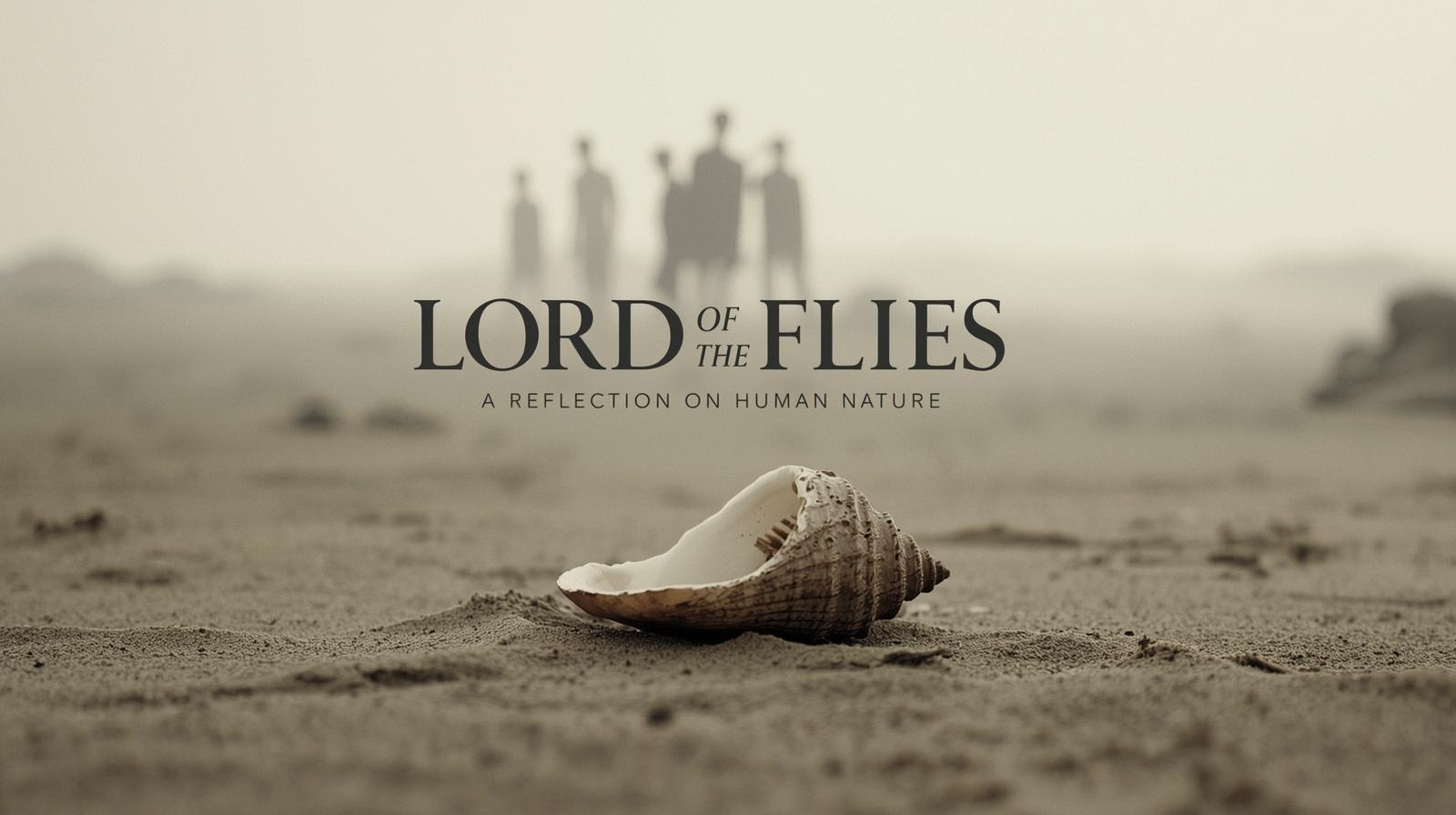
Another approach from original review on August 9, 2020
Lord of the Flies isn’t just a survival story—it’s a study of human nature stripped down to its essentials. William Golding uses the castaway boys to build a miniature society where each character mirrors a familiar impulse: Ralph’s instinct for order, Piggy’s reliance on logic, Jack’s hunger for domination, and Simon’s quiet moral clarity.
What struck me reading it again is how recognizable they feel. We see versions of these characters in workplaces, communities, families—and, sometimes, in ourselves. The book reminds us how fragile cooperation can be and how quickly fear or ambition can reshape a group.
Golding’s novel has endured because it isn’t really about an island. It’s about the fragile structures that hold us together and the inner forces that can either preserve or unravel them. A classic worth revisiting, especially if you’re interested in how human behavior shifts under pressure.
What Matters: We Are the Sum of Small Moments By Brent M. Jones →
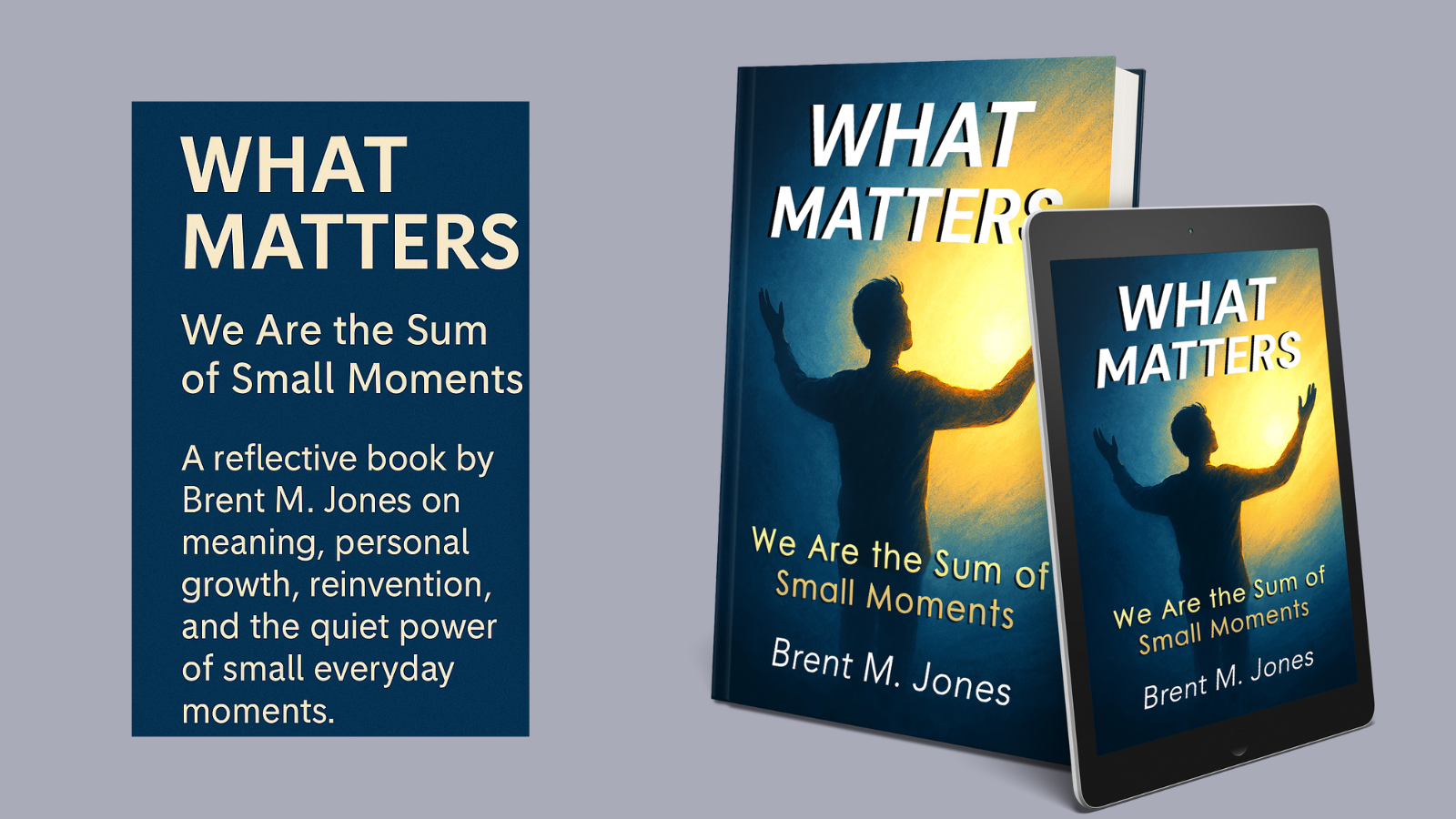
In a world that often prizes grand gestures and major milestones, What Matters: We Are the Sum of Small Moments offers a quieter perspective—one rooted in the meaning found in everyday life.
This reflective nonfiction book explores personal growth, reinvention, and the power of paying attention. Rather than focusing on dramatic turning points, Brent M. Jones looks at the small moments—a conversation, a realization, a shift in perspective—that gradually shape who we become.
Through a series of thoughtful reflections, the book invites readers to slow down, become more present, and recognize how meaning is built over time. It suggests that clarity doesn’t always arrive through big changes, but through a deeper awareness of what is already happening.
This is not a book about fixing yourself. It’s about understanding yourself more honestly—and finding meaning in that awareness.
Whether you’re navigating change, exploring self-discovery, or looking for a thoughtful personal development book, What Matters offers a steady, reflective companion—one that encourages you to pause, look again, and see your life with greater clarity.
The Human Factor: Discover Yourself, Clarify Your Purpose, Create Work That Matters
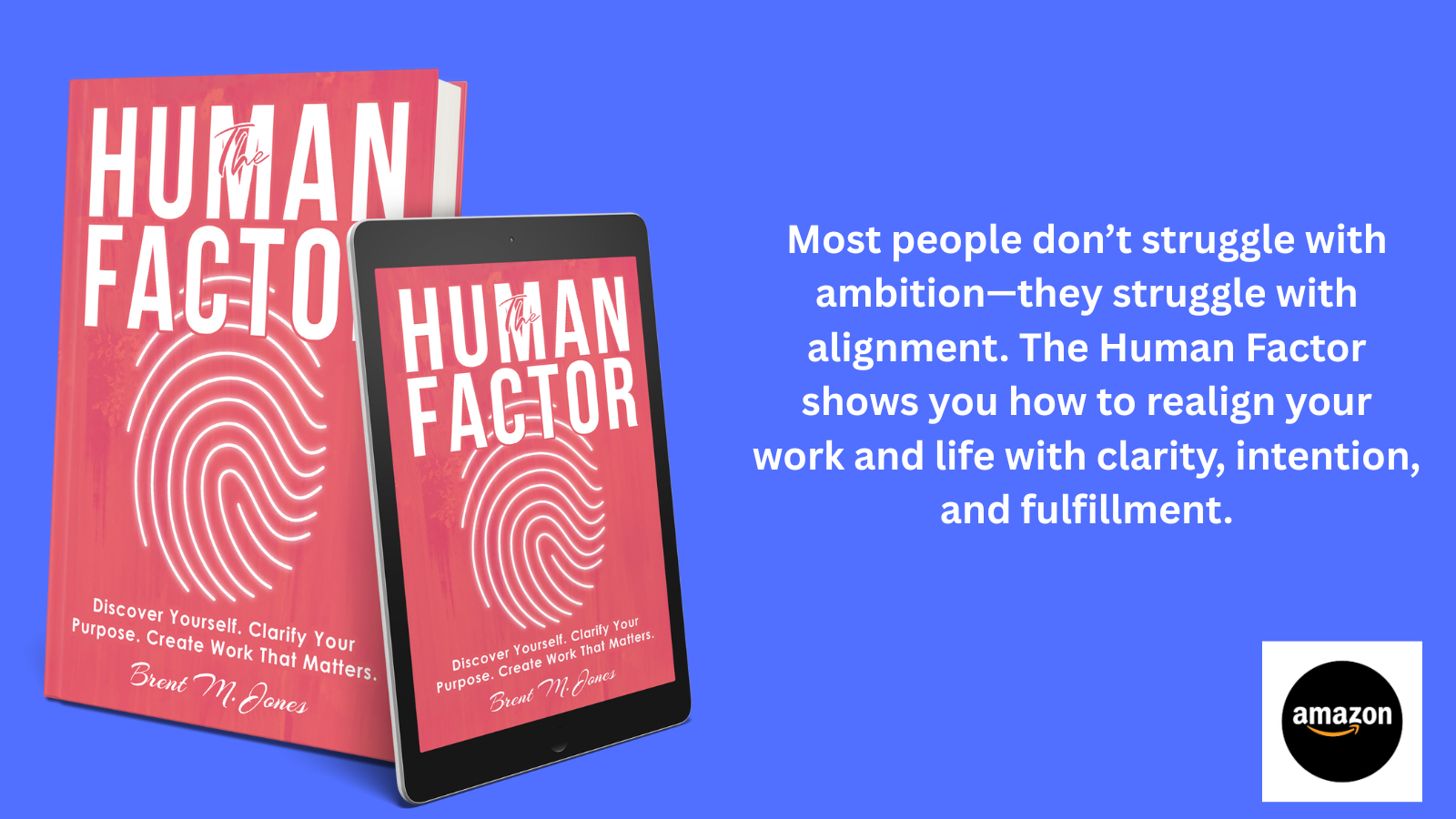
A practical and inspiring guide to meaningful work
I have taken the ideas from my original Human Factor book and expanded them into something even more powerful. This updated edition doesn’t just talk about finding a job; it’s about understanding yourself, clarifying your values, and creating work that aligns with your purpose.
What I appreciated most is the clear framework: Discover → Clarify → Create. It makes the book easy to follow, and each step is filled with examples, reflective questions, and practical insights that I could immediately apply to my own career and life.
Unlike many career books that focus only on résumés and interviews, this one goes deeper. Jones reminds us that meaningful work begins with knowing yourself. Whether you’re a recent graduate, mid-career professional, or someone reinventing yourself later in life, this book offers timeless guidance.
Highly recommended if you want more than just a job — if you want work that actually matters.
Note: This edition expands on my earlier book The Human Factor: How Finding Your Dream Job Starts by Getting to Know Yourself. While the first book focused on self-awareness in the job search, this new version goes further — guiding you to discover who you are, clarify your purpose, and create work that truly matters.
Meaningful work begins with knowing yourself.
My Friends, by Fredrik Backman →
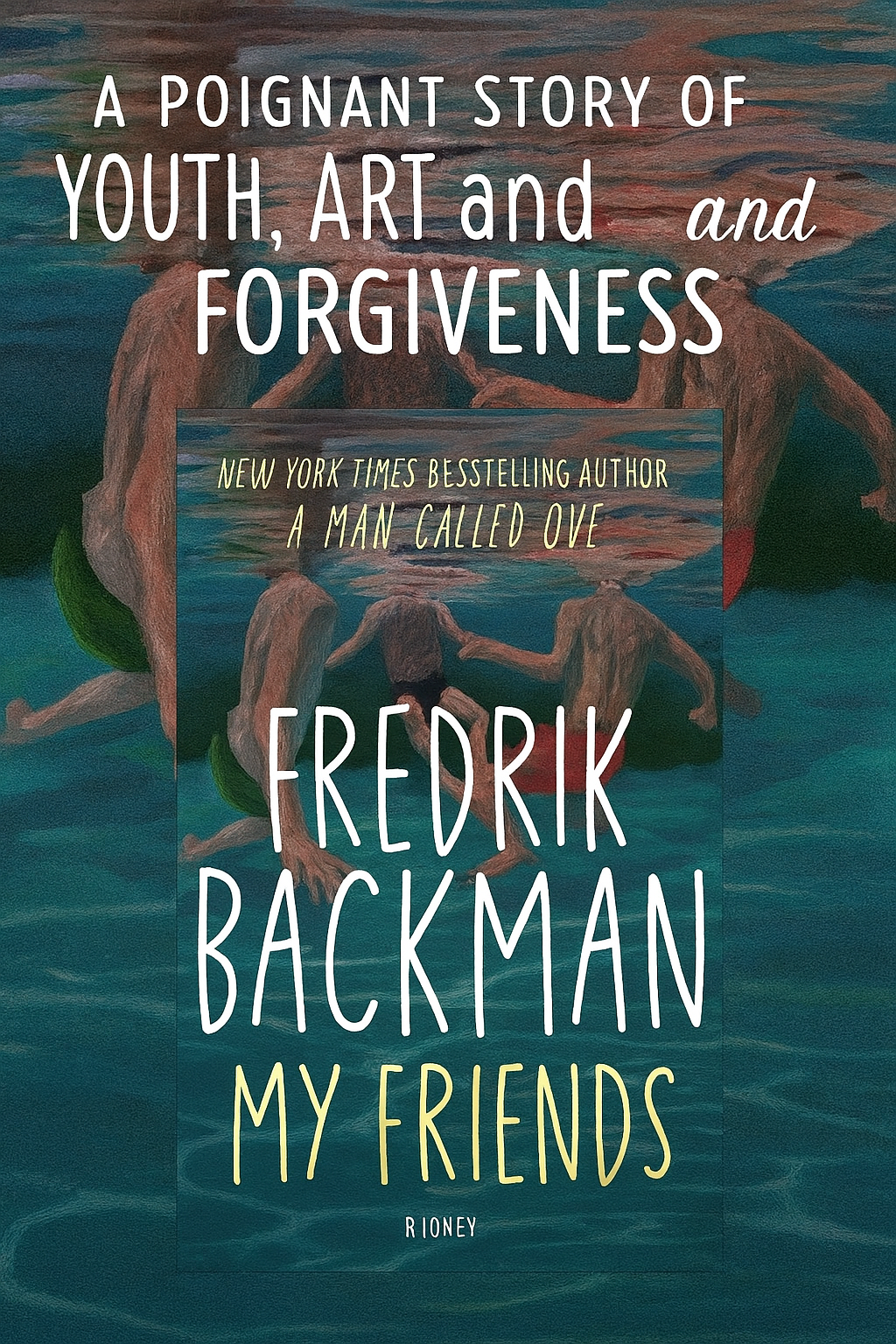
Fredrik Backman's My Friends begins with a painting—seemingly just a seascape to most, but to Louisa, a young artist, it’s a mystery worth unraveling. At the end of a long pier sit three tiny figures, almost hidden, yet filled with meaning. As Louisa sets out to uncover their story, she’s pulled into a decades-old summer shaped by four teenagers trying to make sense of their complicated lives.
Joar, always ready to fight; Ted, quiet and grieving; Ali, untethered by a transient home; and the artist, gifted and withdrawn—these young souls find laughter, stories, and unexpected hope in each other. That fleeting time becomes the heart of the novel, captured forever in the painting that eventually finds its way to Louisa.
While I felt somewhat let down by the ending and missed a fuller resolution for the characters, the novel's emotional weight lives in the lives of those young friends and the way their bond shaped them. My Friends doesn’t just celebrate youthful connection—it mourns how easily we forget the intensity of that age, even as it continues to shape who we are. Maybe Backman’s deeper message is this: when we remember the raw, honest version of ourselves from youth—the moments we felt deeply, cared fiercely, and tried our best—we’re more able to forgive who we are now. That memory becomes a bridge to self-compassion.
Stephen King's Never Flinch →
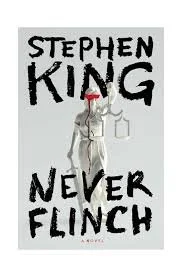
Stephen King's Never Flinch is a gripping and multifaceted novel that showcases his talent for balancing suspense with deeply human storytelling. Holly Gibney, a recurring character in King’s recent works, stands more confidently in this installment, both emotionally and professionally. While she remains central to the story, King weaves in a compelling ensemble of new and returning characters that enrich the narrative.
The novel follows two converging threads: a chilling threat to kill “thirteen innocents and one guilty” in a twisted act of revenge, and a rising danger against feminist speaker Kate McKay. Holly is drawn into both worlds—supporting the police investigation and serving as Kate’s bodyguard. As the tension builds, King delivers a darkly satisfying blend of psychological drama, social commentary, and pure thriller energy.
While it’s only been a month since I read it, I find myself more struck by the overall tone and Holly’s growth than the plot details—which speaks to how effectively King writes his characters. Never Flinch is smart, tense, and full of the kind of layered menace only King can create.
The Power of Authentic Communication: In a World Full of Noise, Authentic Communication Stands Out →

In a noisy world, what truly sets you apart is how honestly you connect.
The Power of Authentic Communication is a thoughtful and practical guide to speaking with clarity, listening with intention, and showing up as your true self in every conversation.
Whether you're navigating personal relationships, leading a team, or building your professional presence, author Brent M. Jones draws on decades of coaching, leadership, and life experience to show how authentic communication can transform the way you relate to others—and to yourself.
Inside, you'll learn how to:
Recognize and remove common barriers to real communication
Speak with purpose—without jargon or pretense
Adapt your message while staying rooted in your values
Build trust, resolve conflict, and inspire meaningful change
Strengthen emotional intelligence and self-awareness through intentional dialogue
